Deliciously Soft Vietnamese Honeycomb Cake You’ll Adore Today
Last Updated on May 8, 2026 by venlarecipez
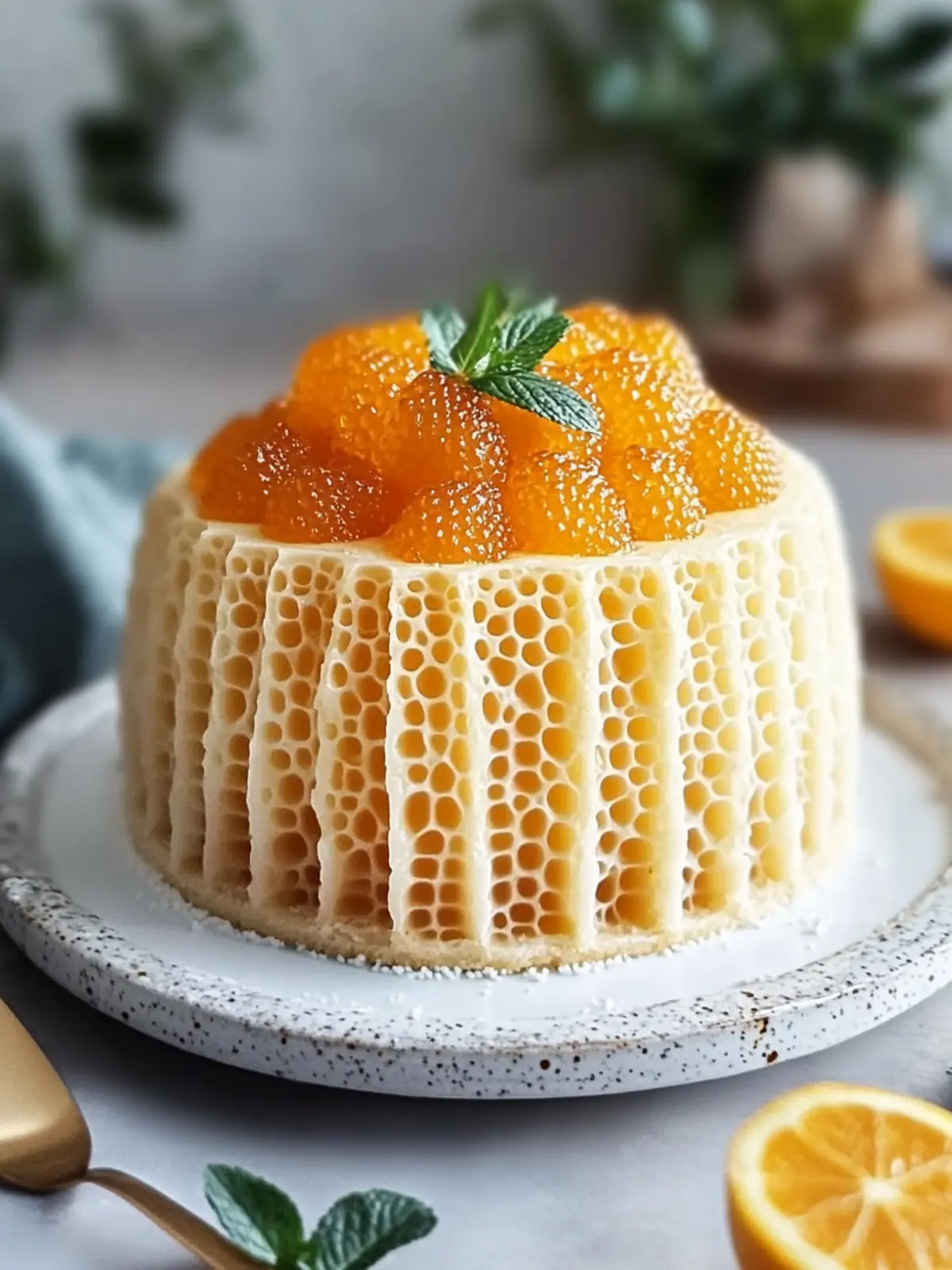
There’s nothing quite like a delightful treat that transports you straight to the vibrant streets of Vietnam, and that’s exactly what the Deliciously Soft Vietnamese Honeycomb Cake does. The first time I took a bite, I was immediately enchanted by its unique honeycomb texture and the aromatic dance of pandan and coconut that filled my kitchen. It’s not just a cake; it’s an experience that brings the warmth and comfort of home cooking to the forefront.
Whether you re looking to impress guests at a gathering or simply indulge in a cozy evening dessert, this gluten-free gem is both approachable and unforgettable. Easy to make with just a few essential ingredients, I’ll guide you step by step to create a cake that perfectly balances airy softness with a delightful chew. So roll up your sleeves, and let’s dive into crafting a slice of Vietnamese heaven that’s sure to win over anyone tired of fast food!
Why You’ll Love This Deliciously Soft Vietnamese Honeycomb Cake
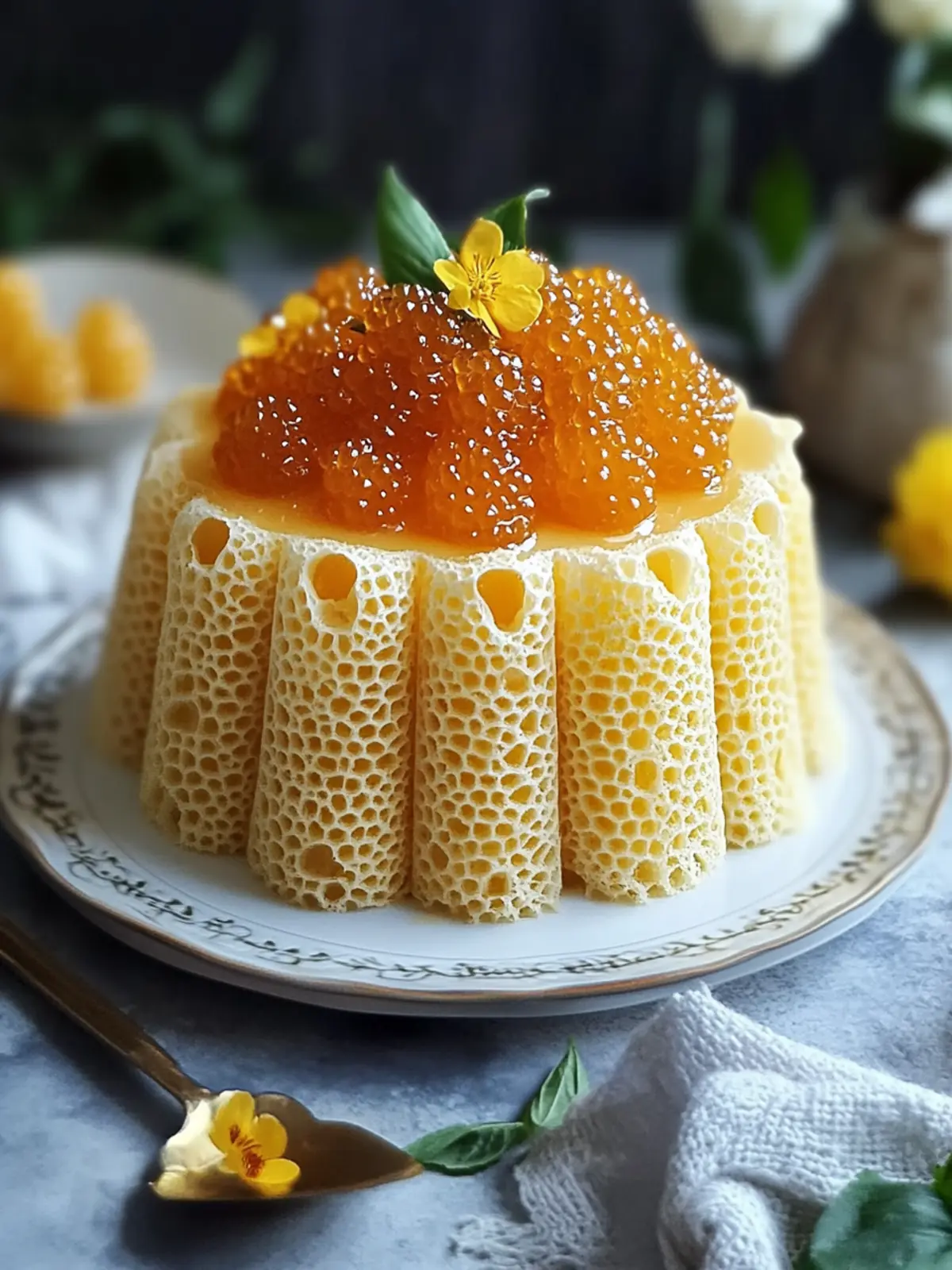
Amazingly Unique Texture: The key to this cake’s charm lies in its honeycomb structure, providing a chewiness that captivates the senses.
Heavenly Aromas: Infused with pandan and coconut, each bite is a fragrant reminder of Vietnamese culinary magic.
Gluten-Free Indulgence: Satisfy your sweet tooth without the worry of gluten; this cake is perfect for everyone.
Quick and Easy: With just a few simple ingredients, you ll have this delicious treat ready to impress in no time.
Perfect for Any Occasion: Whether it s a family gathering or a cozy night in, this cake is a crowd-pleaser! You can enhance its appeal further with a side of coconut cream or fresh fruit salad for a delightful experience.
Deliciously Soft Vietnamese Honeycomb Cake Ingredients
For the Cake Batter
- Tapioca Starch Provides structure and chewiness; can substitute with more tapioca starch.
- Rice Flour Contributes to the cake’s light texture; additional tapioca starch works well here too.
- Coconut Milk Gives richness and flavor; for a creamier taste, opt for full-fat coconut milk.
- Granulated Sugar Adds sweetness; consider using brown sugar for a deeper flavor.
- Baking Powder Essential for leavening; ensure it’s fresh for the best rise.
- Active Dry Yeast Creates that signature honeycomb texture; remember to activate with warm water.
- Warm Water Needed to activate the yeast; temperature should be around 110°F (43°C).
- Salt Enhances the overall flavor of the cake.
- Pandan Extract Provides a distinct and fragrant flavor; if unavailable, vanilla extract is a suitable substitute.
- Oil or Butter Used for greasing the pan and ensuring easy release of the cake.
With these ingredients, you’re well on your way to creating a Deliciously Soft Vietnamese Honeycomb Cake that everyone will adore!
How to Make Deliciously Soft Vietnamese Honeycomb Cake
Activate Yeast: In a small bowl, combine warm water and active dry yeast with a pinch of sugar. Stir gently and let it foam for about 10 minutes. This ensures your yeast is alive and ready to work its magic.
Mix Dry Ingredients: In a large mixing bowl, whisk together tapioca starch, rice flour, and salt until well combined. This step creates a solid foundation for the chewy texture.
Heat Coconut Mixture: In a saucepan over low heat, warm the coconut milk and granulated sugar until the sugar completely dissolves. Allow it to cool slightly before combining it with the other ingredients.
Combine Ingredients: Pour the foamy yeast mixture, pandan extract, and cooled coconut mixture into the bowl with dry ingredients. Blend everything together until you achieve a smooth batter, free of lumps.
Let it Rise: Cover the bowl with a clean kitchen towel and place it in a warm area for 1-2 hours. During this time, the batter will rise and become bubbly, creating that desirable texture.
Prepare Steamer: Grease your cake pan liberally with oil or butter. Set up a steamer over medium heat, ensuring enough water is in the bottom and ready to boil.
Steam the Cake: Once the water is boiling, pour the batter into the prepared pan. Steam for 25-30 minutes, checking for doneness with a toothpick the cake should be set and not sticky.
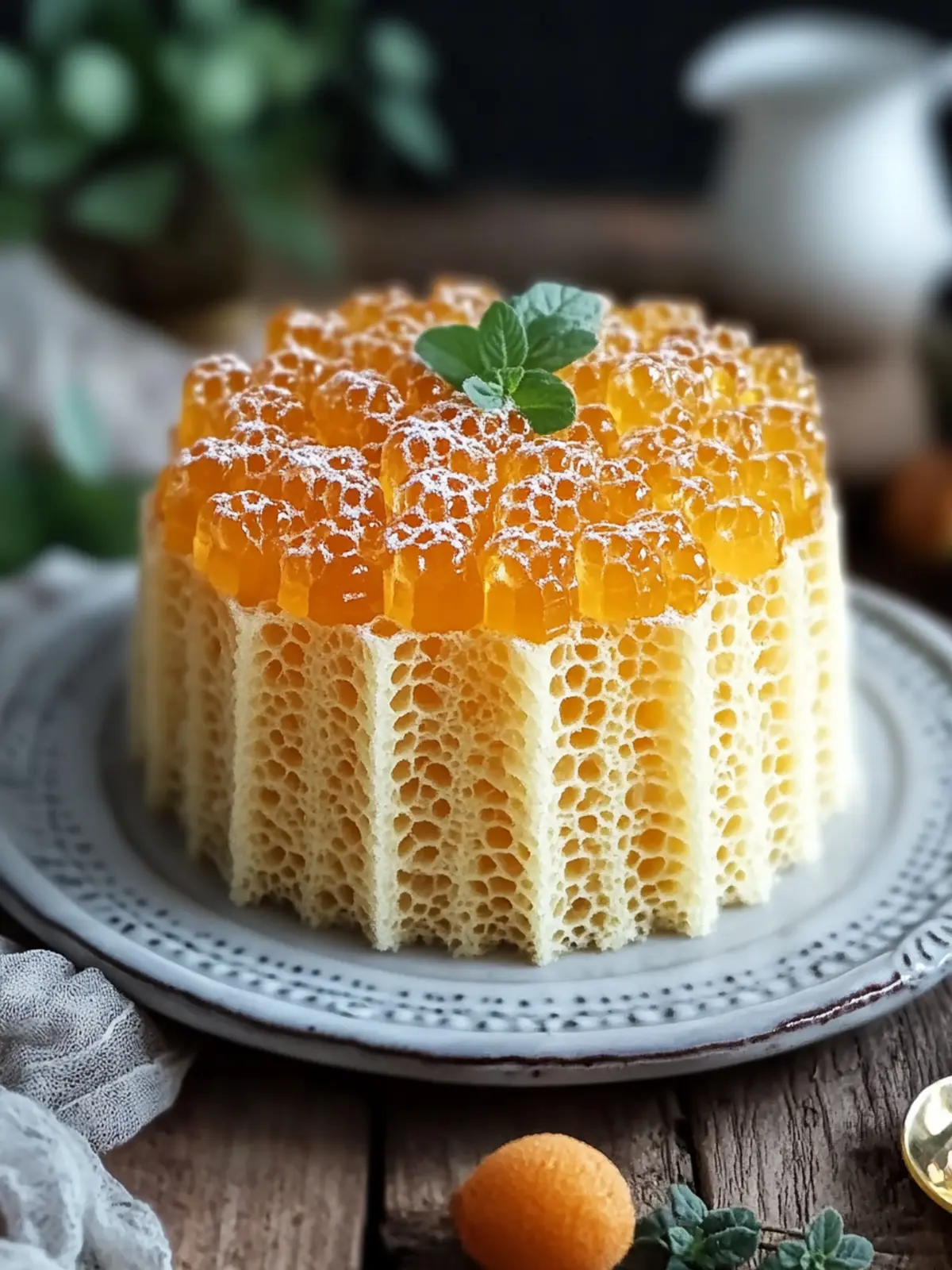
Cool & Slice: After steaming, remove the cake from the pan and let it cool completely. Once cooled, slice through to reveal the lovely honeycomb structure, inviting everyone to grab a piece!
Optional: Serve with a drizzle of coconut cream or fresh fruit salad for an added burst of flavor.
Exact quantities are listed in the recipe card below.
Storage Tips for Deliciously Soft Vietnamese Honeycomb Cake
Room Temperature: Keep the cake at room temperature for up to 3 days in an airtight container to maintain its delicious texture.
Fridge: Store in the refrigerator for up to a week; there may be a slight texture change, but it will still be delightful.
Freezer: Wrap tightly and freeze for up to 3 months. To refresh the texture, simply steam the slices before serving.
Reheating: If storing, reheat by steaming or microwaving briefly to revive its lovely, soft chewiness.
Make Ahead Options
These Deliciously Soft Vietnamese Honeycomb Cakes are perfect for meal prep enthusiasts! You can prepare the batter up to 24 hours in advance by mixing all ingredients and then covering the bowl tightly with plastic wrap to refrigerate; this allows the flavors to meld beautifully. However, do not activate the yeast until you’re ready to steam the cake for the best texture. When you’re ready to serve, simply let the batter come to room temperature and steam as directed. Trust me, even after refrigerating, the cake will turn out just as delicious and wonderfully fluffy! This approach saves you valuable time on busy days while still delivering an impressive treat.
Deliciously Soft Vietnamese Honeycomb Cake Variations
Feel free to explore these fun twists that can make your cake uniquely yours!
- Vanilla Twist: Substitute pandan extract with vanilla extract for a sweeter, more classic flavor profile.
- Coconut Cream: Serve with a generous drizzle of rich coconut cream to enhance the cake s coconut undertones.
- Brown Sugar: Use brown sugar instead of granulated sugar to give your cake a deeper, caramel-like sweetness that complements the coconut.
- Tropical Toppings: Top with diced mango or a tropical fruit salad for a refreshing flavor contrast to the cake’s chewiness.
- Nutty Addition: Sprinkle toasted peanuts or cashews on top for an enjoyable crunch that elevates the texture and flavor.
- Passion Fruit Curd: Experiment with a tart passion fruit curd alongside the cake; it adds a delightful zing and pairs beautifully with the sweetness.
- Cacao Infusion: For a chocolatey twist, incorporate a couple of tablespoons of cocoa powder into your batter for a delightful combination.
- Spicy Kick: Add a pinch of chili powder or ground ginger for those who like to spice things up; it adds a surprising kick that balances sweetness beautifully.
Embrace the magic of customization, and let your creativity shine as you make this cake your own!
What to Serve with Deliciously Soft Vietnamese Honeycomb Cake?
Elevate your dessert experience with delightful sides that complement the tender sweetness of this traditional cake.
- Coconut Cream: Drizzle over the cake for a rich, tropical enhancement that enriches every bite.
- Tropical Fruit Salad: A refreshing mix of mango, pineapple, and kiwi adds a burst of freshness, balancing the cake’s sweetness.
- Toasted Sesame Seeds: Sprinkling these gives a delightful crunch and nutty flavor, enhancing the overall textural experience.
- Passion Fruit Curd: This tart and creamy addition contrasts beautifully with the cake’s sweetness, creating an exciting flavor profile.
- Sweetened Condensed Milk: A classic pairing, this luscious drizzle makes every piece feel indulgent and truly decadent.
- Jasmine Tea: A fragrant, floral beverage that complements the cake’s flavors while providing a calming, soothing effect.
- Mint Leaves: Adding fresh mint offers a pop of color and a refreshing taste that lifts the dessert even further.
- Vietnamese Coffee: Dark, rich coffee pairs delightfully with the cake, creating a perfect balance of sweet and robust.
Expert Tips for Deliciously Soft Vietnamese Honeycomb Cake
- Activate Yeast Properly: Always ensure your yeast is fresh and foamy after mixing with warm water; this ensures a beautiful rise and the right honeycomb texture in your cake.
- Check Water Temperature: Use warm water at about 110°F (43°C) to activate the yeast effectively; if it’s too hot, it may kill the yeast and lead to a dense cake.
- Don t Rush the Rise: Patience is key; let the batter rise for the full 1-2 hours. This step is crucial for achieving the light, airy texture of the deliciously soft Vietnamese honeycomb cake.
- Cool Completely: Allow the cake to cool fully in the pan before slicing, which helps maintain its unique structure and prevents it from collapsing.
- Flavor Pairing: For a delightful twist, serve the cake with toasted sesame seeds or a drizzle of coconut cream to enhance the flavors and give your dessert an extra special touch.
Deliciously Soft Vietnamese Honeycomb Cake Recipe FAQs
What type of tapioca starch should I use for the cake?
You can use any brand of tapioca starch, but I find that the finer the starch, the better the texture of the cake. Look for a product that’s specifically labeled as tapioca starch or flour for best results.
How should I store the leftover cake?
To keep your deliciously soft Vietnamese Honeycomb Cake fresh, store it at room temperature in an airtight container for up to 3 days. If you d like to extend its longevity, refrigerate it for up to a week; just keep in mind that the texture might become a bit denser.
Can I freeze the honeycomb cake?
Absolutely! To freeze, wrap individual slices tightly in plastic wrap and then place them in a freezer-safe bag or container. The cake can be frozen for up to 3 months. When you’re ready to enjoy it again, simply steam the sliced pieces for a few minutes to refresh its delightful texture.
What if my cake doesn’t rise properly?
If your cake doesn’t rise, it may be due to using old or inactive yeast. Always check that your yeast foams properly in warm water before mixing it into the batter. Additionally, make sure your batter rests in a warm area during the rise time; a cool environment can hinder the yeast’s action.
Is this cake suitable for people with allergies?
This cake is gluten-free and should be suitable for those avoiding gluten, but always check for allergies to specific ingredients like coconut milk or tapioca starch. If cooking for someone with severe allergies, be diligent about cross-contamination and consider substitutions if necessary.