
Delicious Korean Steamed Eggs – A Quick Comfort Food Delight
Last Updated on May 8, 2026 by venlarecipez
There’s something incredibly comforting about the delicate aroma wafting from a pot of freshly steamed eggs. Fluffy Korean Steamed Eggs, or Gyeran-jjim, are a delightful surprise that can transform even the simplest meal into something special. I first tried this dish at a local Korean restaurant, and I was captivated by its light, airy texture and the subtle savory notes of sesame and green onion. It tasted like a warm hug quick to prepare, budget-friendly, and incredibly versatile.
In just 15 minutes, you can whip up this dreamy side dish that pairs beautifully with everything from rice to grilled meats. Whether you’re looking to impress guests or just want to elevate your weeknight dinners, Gyeran-jjim is the answer. Join me in exploring how to make this delightful, comforting dish that proves homemade food can be both simple and satisfying!
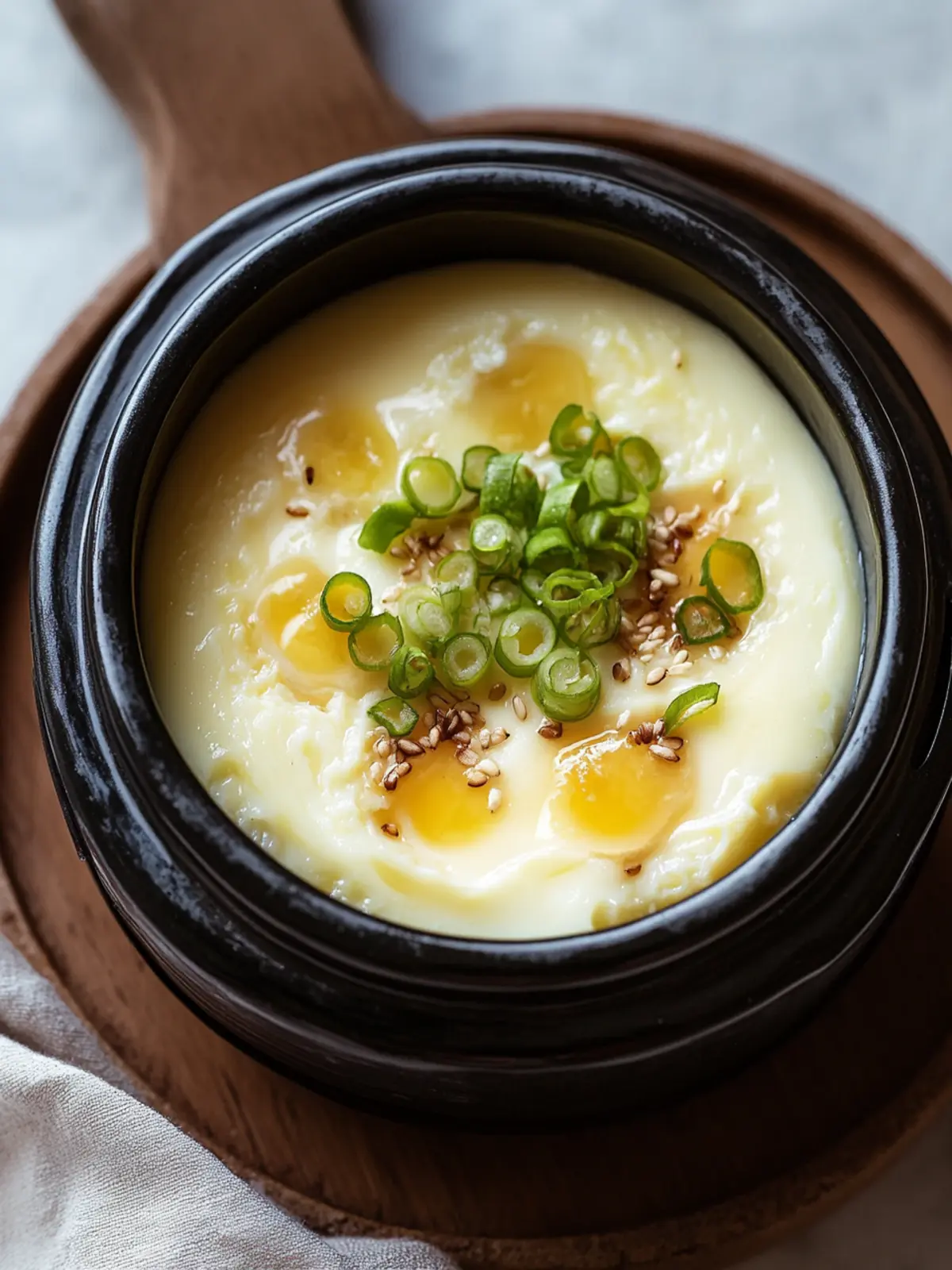
Why are Korean Steamed Eggs a Must-Try?
Comforting Delight: This dish brings a sense of warmth and nostalgia to your dining table, making it a perfect addition to any meal.
Quick Preparation: With just 15 minutes of cooking time, you ll have a delicious side dish ready in the blink of an eye.
Versatile Pairing: Fluffy Korean Steamed Eggs complement a wide range of mains, from rice to grilled meats, making it a culinary chameleon.
Budget-Friendly: Utilizing basic ingredients, this recipe is kind to your wallet while still offering a gourmet feel.
Customizable: Feel free to mix in shrimp, vegetables, or different broth types, creating a dish that’s uniquely yours.
Family Favorite: Kids and adults alike will appreciate the gentle texture and delightful taste, making it a sure hit at family dinners.
Korean Steamed Eggs Ingredients
Dive into the delightful world of Korean Steamed Eggs with these essential ingredients!
For the Egg Mixture
- Eggs These are the star of the show, providing structure and protein. Opt for fresh eggs to achieve the best texture.
- Warm Broth (chicken, vegetable, or anchovy) Adds rich, savory depth to the dish. Feel free to use water in a pinch, but broth elevates the umami experience.
- Salt A crucial ingredient that enhances overall flavor. Try using soy sauce or fish sauce for an extra umami kick.
For the Flavor Boost
- Sesame Oil Infuses the dish with a warm, nutty aroma. You can substitute this with olive oil or simply omit it for a lighter touch.
- Green Onions Adds a fresh crunch and vibrant color. Chives are a great alternative, or leave them out for classic steamed eggs.
Optional Garnishes
- Sesame Seeds Sprinkle these on for added texture and nutty flavor. They not only enhance taste but also make your dish visually appealing.
How to Make Korean Steamed Eggs
Prepare the egg mixture: In a medium bowl, beat the eggs until fully blended. Gently stir in warm broth, salt, and sesame oil for added flavor. This mixture will be the heart of your Gyeran-jjim!
Transfer to the cooking vessel: Carefully pour the egg mixture into a ttukbaegi (Korean stone pot) or a small saucepan. Make sure not to fill it too high, allowing room for the eggs to expand.
Cover and steam: Seal the pot with a lid or foil, and place it over medium heat. Steam for about 10 minutes, keeping an eye on it until the surface becomes fluffy and gently jiggles as you move the pot.
Garnish: Once cooked, remove from heat and sprinkle with additional green onions or sesame seeds. This adds a pop of color and an extra touch of flavor to your dish!
Optional: For an extra burst of flavor, drizzle a little additional sesame oil on top before serving.
Exact quantities are listed in the recipe card below.
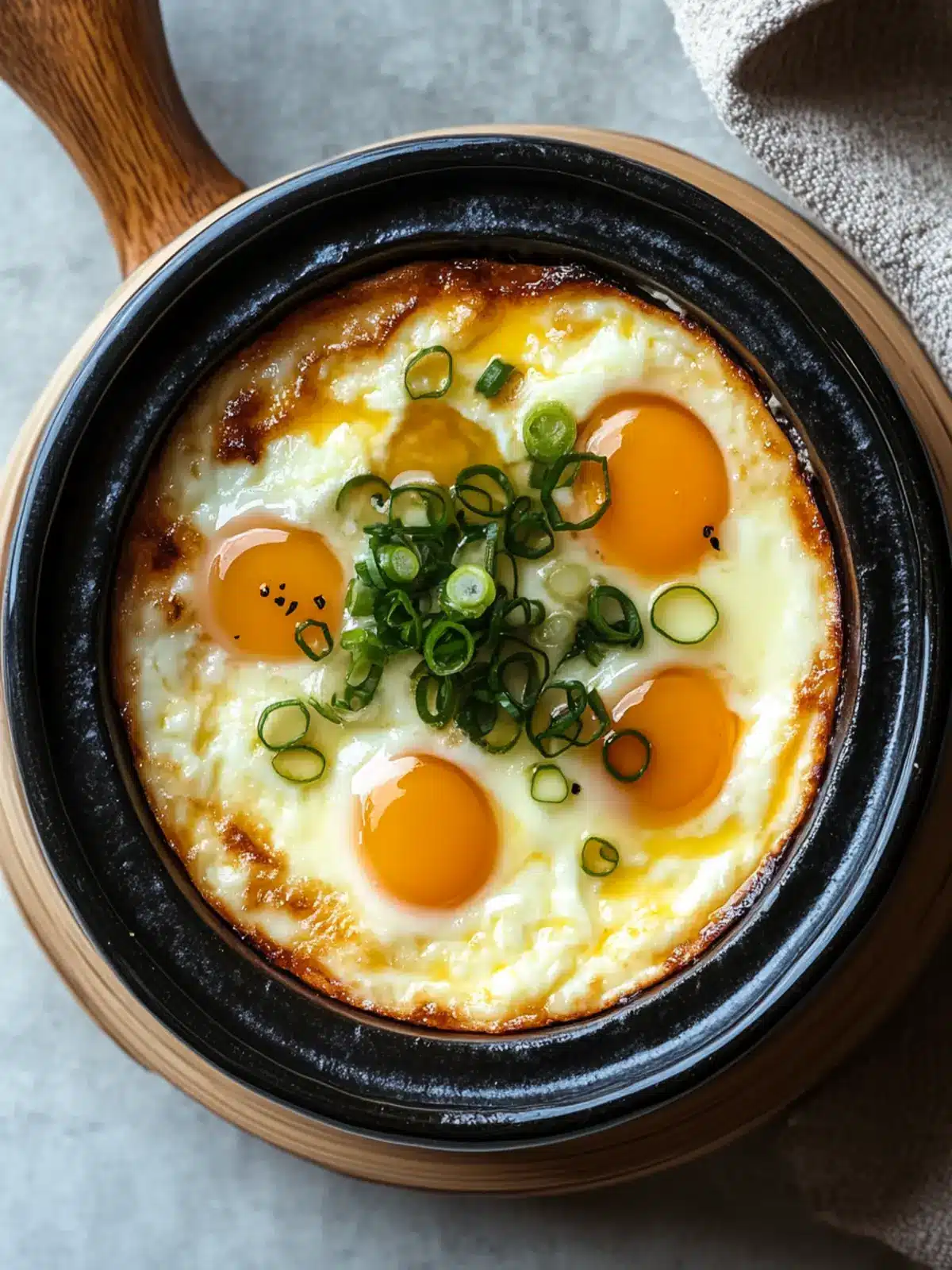
How to Store and Freeze Korean Steamed Eggs
Fridge: Store leftovers in an airtight container for up to 2 days. Cool completely before sealing to prevent condensation.
Freezer: For best results, Korean Steamed Eggs are not ideal for freezing due to their delicate texture. If necessary, freeze in a tightly sealed container for up to 1 month but expect quality changes.
Reheating: Gently reheat leftovers on the stove over low heat or in the microwave, covered, to maintain moisture. Add a splash of broth or water if they seem dry.
Make-Ahead: You can prepare the egg mixture in advance and refrigerate it. Steam it fresh just before serving for the best flavor and texture.
Make Ahead Options
These Korean Steamed Eggs (Gyeran-jjim) are perfect for busy home cooks who want to save time without compromising on flavor! You can prepare the egg mixture (beaten eggs, warm broth, salt, and sesame oil) up to 24 hours in advance and store it in an airtight container in the refrigerator. This not only allows the flavors to meld but also ensures that your meal prep is a breeze. When you’re ready to enjoy, simply transfer the mixture to your cooking vessel and steam as directed, checking for that fluffy jiggle. By prepping ahead, you’ll have a delightfully comforting side dish ready to impress your family with minimal effort!
Korean Steamed Eggs Variations
Feel free to get creative with these delightful twists to make this recipe your own!
Herb-Infused:
Add fresh herbs like cilantro or dill for a vibrant layer of flavor that brightens the dish. Just chop finely and mix them into the egg mixture before steaming.Cheesy Delight:
Stir in shredded cheese like cheddar or mozzarella for a creamy texture that melts beautifully in every bite. This is a wonderful way to please cheese lovers!Veggie Boost:
Incorporate diced vegetables such as bell peppers, spinach, or mushrooms for added nutrition and color. They add a nice crunch and a touch of earthiness.Spicy Kick:
Add a dash of gochujang or a sprinkle of red pepper flakes to infuse the dish with a hint of heat. Adjust the amount to suit your spice tolerance!Seafood Twist:
Fold in cooked shrimp or crab meat for a luxurious touch that takes simple steamed eggs to the next level. The seafood enhances both flavor and texture, making it a gourmet treat.Asian Fusion:
Replace sesame oil with truffle oil for an aromatic twist that brings a sophisticated flair to this comforting dish. A little goes a long way with truffle oil!Flavorful Broth:
Experiment with different broth options, such as miso or shiitake broth, for varying depth and umami richness. Each type of broth introduces its unique character, creating endless possibilities!Nutty Topping:
Top your steamed eggs with toasted sesame seeds or crushed nuts for an extra crunch. This simple addition elevates the dish’s texture and introduces a delightful nuttiness.
Tips for the Best Korean Steamed Eggs
- Fresh Ingredients: Use fresh eggs for the fluffiest results. Stale eggs can lead to a less delicate texture in your Korean Steamed Eggs.
- Steaming Time: Keep a close eye on the cooking time; oversteaming can turn your eggs rubbery. Aim for that perfect jiggle!
- Broth Quality: Use quality broth to enhance the umami flavor. Substituting with water is fine, but you’ll lose some depth in your dish.
- Lid Fit: Ensure the lid fits snugly during steaming to maintain moisture. A loose lid can result in uneven cooking and dryness.
- Chilling Option: Prepare and chill the egg mixture ahead of time. Steaming just before serving will save you precious time at dinner!
What to Serve with Korean Steamed Eggs?
There’s nothing quite like creating a vibrant meal around your comforting side of fluffy eggs, elevating even the simplest dinner into something special.
Steamed Rice: A classic pairing that absorbs the savory goodness of the eggs, providing a satisfying base to each bite.
Grilled Meats: Juicy bulgogi or tender chicken skewers offer a delightful contrast in flavor and texture, complementing the softness of the eggs.
Kimchi: The spicy crunch of kimchi adds a vibrant kick, balancing the smooth mouthfeel of the Gyeran-jjim. It s a match made in culinary heaven!
Stir-Fried Vegetables: Bright and fresh, a medley of sautéed bok choy or zucchini enhances the meal with colorful nutrients and textures.
Savory Pancakes: Try pairing with Korean-style scallion or vegetable pancakes for a delightful crunch alongside the creamy steamed eggs.
Chilled Soju: This traditional Korean spirit adds a refreshing note and elevates the dining experience, especially when shared with loved ones.
Sesame Noodles: The nutty, slightly sweet flavors of sesame noodles create an enticing duo with your eggs, making each bite feel like a taste adventure.
Fruit Salad: A fresh, light fruit salad can cleanse the palate and provide a sweet ending to your meal, making the comfort of Gyeran-jjim feel complete.
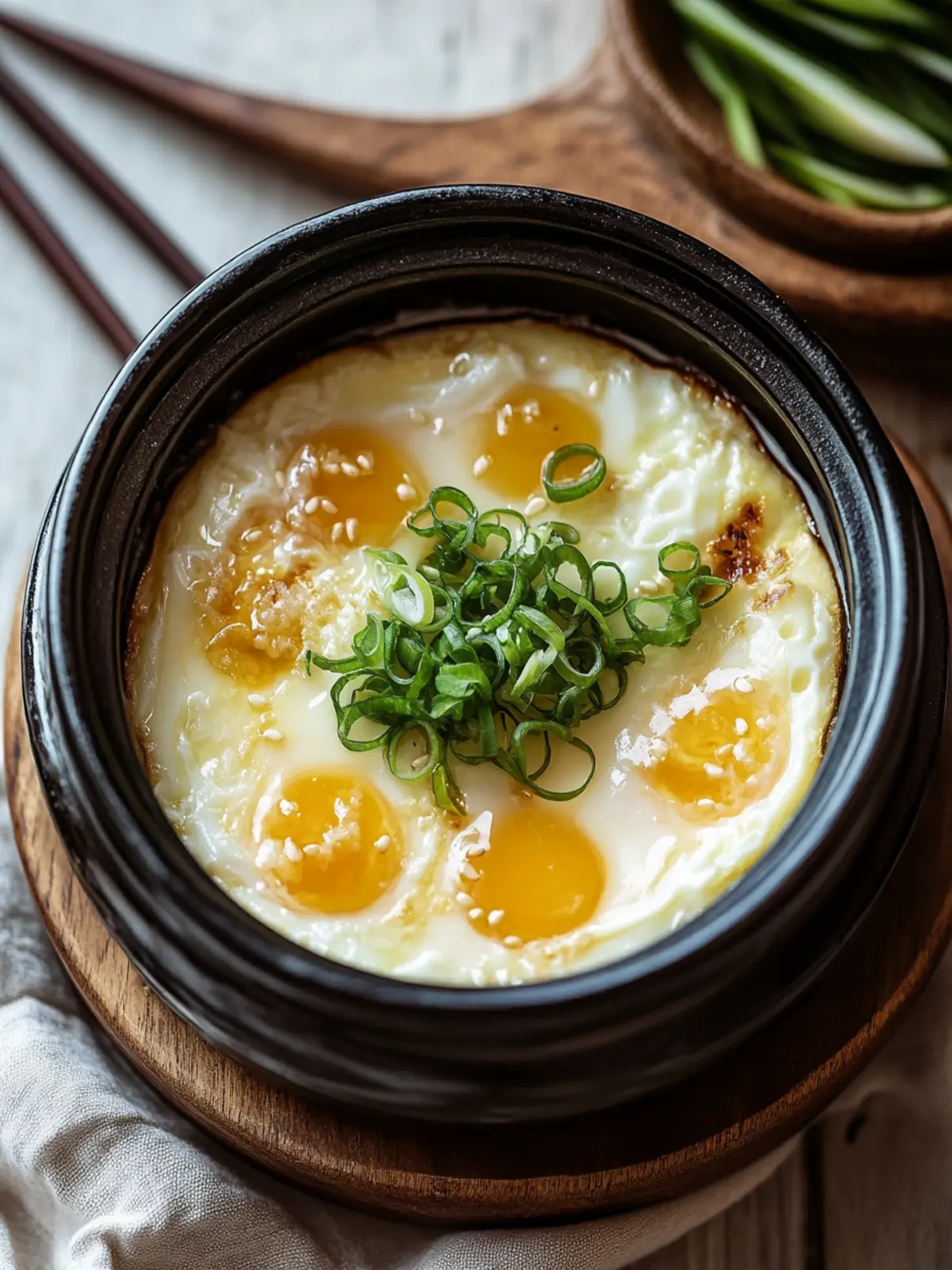
Korean Steamed Eggs Recipe FAQs
What type of eggs should I use for Korean Steamed Eggs?
Absolutely, the fresher, the better! For the fluffiest and most delicious Gyeran-jjim, always opt for fresh eggs. Fresh eggs make a significant difference in flavor and texture, ensuring a lighter, cloud-like custard.
How long can I store leftovers in the refrigerator?
You can store any leftover Korean Steamed Eggs in an airtight container for up to 2 days. Make sure to cool the dish completely before sealing it up to avoid condensation, which can make them soggy.
Can I freeze Korean Steamed Eggs?
While it s possible to freeze them, I typically don t recommend it due to the delicate texture. If you must freeze, transfer them to a tightly sealed container and consume within 1 month. Just remember the texture may change, leading to a less fluffy result when reheated.
How can I reheat my leftover Korean Steamed Eggs?
To reheat gently, I suggest placing your leftovers on the stove over low heat, covered, to retain moisture. If they’re appearing a bit dry, add a splash of broth or water. Alternatively, you can use the microwave, heating in short bursts until warmed through.
What should I do if my steamed eggs turn out rubbery?
Very! To avoid rubbery Korean Steamed Eggs next time, pay close attention to steaming time. Make sure to steam them for around 10 minutes and check for that perfect, fluffy jiggle. Overcooking is the main culprit for that unwanted texture, so keep an eye on them!
Are there any dietary considerations I should keep in mind?
Absolutely! If you or someone enjoying this dish has allergies, take care to check that the broth and any additional ingredients used are safe. You can easily make this recipe dairy-free by skipping any creamy additions and adjusting the broth to suit dietary needs, making Gyeran-jjim a versatile choice for everyone!