
Quick & Crispy Cantonese Chow Mein in Just 15 Minutes
Last Updated on May 8, 2026 by venlarecipez
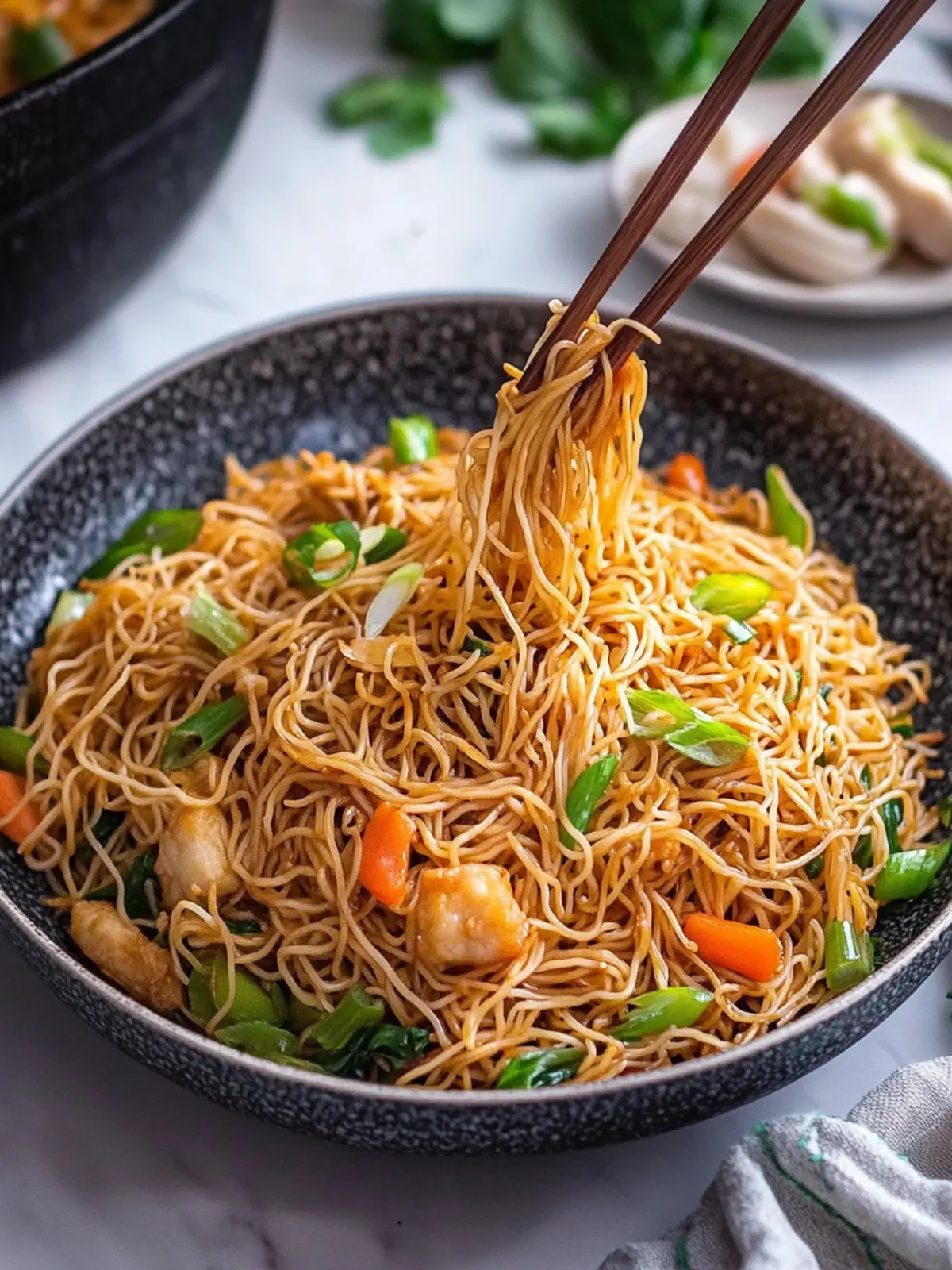
The moment I fired up my wok last Saturday, I knew it was time for a culinary escape right in my kitchen. The enticing sizzle of egg noodles hitting hot oil echoed memories of bustling street markets in Canton, where vibrant carts serve comforting bowls of chow mein. This delicious Cantonese chow mein is not just any noodle dish; it’s a crispy, savory delight that’ll make you reconsider ordering takeout ever again.
In just 15 minutes, you can transform simple pantry staples into a flavorful meal that dazzles with texture and umami notes. Perfect for a quick breakfast or a satisfying lunch, this recipe elegantly balances sweet and savory, inviting everyone to the table. Let s dive into this quick and easy stir-fry adventure that could become your next favorite weeknight dinner!
Why is Cantonese Chow Mein your new favorite?
Speedy Preparation: In just 15 minutes, you ll whip up a fantastic meal, ideal for busy days or spontaneous cravings.
Flavor Explosion: The blend of sauces enriches the noodles with a depth that rivals takeout.
Crowd-Pleaser: Perfect for family dinners; everyone loves the satisfying crunch of these crispy noodles!
Customizable: Easily adapt with proteins or veggies based on personal preferences.
Pantry-Friendly: Made with simple ingredients you likely already have, making this meal as convenient as it is delicious.
Quick Clean-Up: The streamlined process means fewer dishes, allowing you to enjoy your meal without the hassle.
Cantonese Chow Mein Ingredients
For the Noodles
Chow Mein Egg Noodles Fresh thin noodles providing structure and chewiness; look for “Hong Kong style” on the label.
For the Vegetables
Yellow Onion Adds sweetness and texture; substitute with shallots if preferred.
Green Onions Offer freshness and flavor; both whites and greens used for different levels of flavor; can be substituted with chives.
Bean Sprouts Provide crunch and texture; alternative: use thinly sliced bell peppers for additional color and flavor.
For the Cooking Oils
Corn Oil Neutral oil for frying, ensuring a crispy finish; can substitute with vegetable oil.
Sesame Oil Adds a fragrant finishing touch; use sparingly as it is potent.
For the Stir Fry Sauce
Dark Soy Sauce Gives depth and color; regular soy sauce can be used for a lighter flavor.
Regular Soy Sauce Provides saltiness and balances flavor.
Oyster Sauce Enhances umami richness; for a vegan option, substitute with mushroom sauce.
Fish Sauce Adds complexity and saltiness; leave out for a vegetarian version.
Granulated Sugar Balances the saltiness of the sauces; brown sugar can be used for a deeper flavor.
Water Used to adjust the consistency of the sauce.
How to Make Cantonese Chow Mein
Cook Noodles: Soak chow mein noodles in boiling water for 30 seconds to 1 minute until softened. Drain and set aside; make sure they are tender but not mushy.
Prepare Sauce: In a bowl, mix dark soy sauce, regular soy sauce, oyster sauce, fish sauce, granulated sugar, and water until the sugar completely dissolves. This creates the flavorful base of your stir-fry.
Sauté Aromatics: Heat 1 tablespoon of corn oil in a hot wok. Add the yellow onions and the whites of the green onions, sautéing for about 1 minute until fragrant and slightly translucent. Then, remove from the wok.
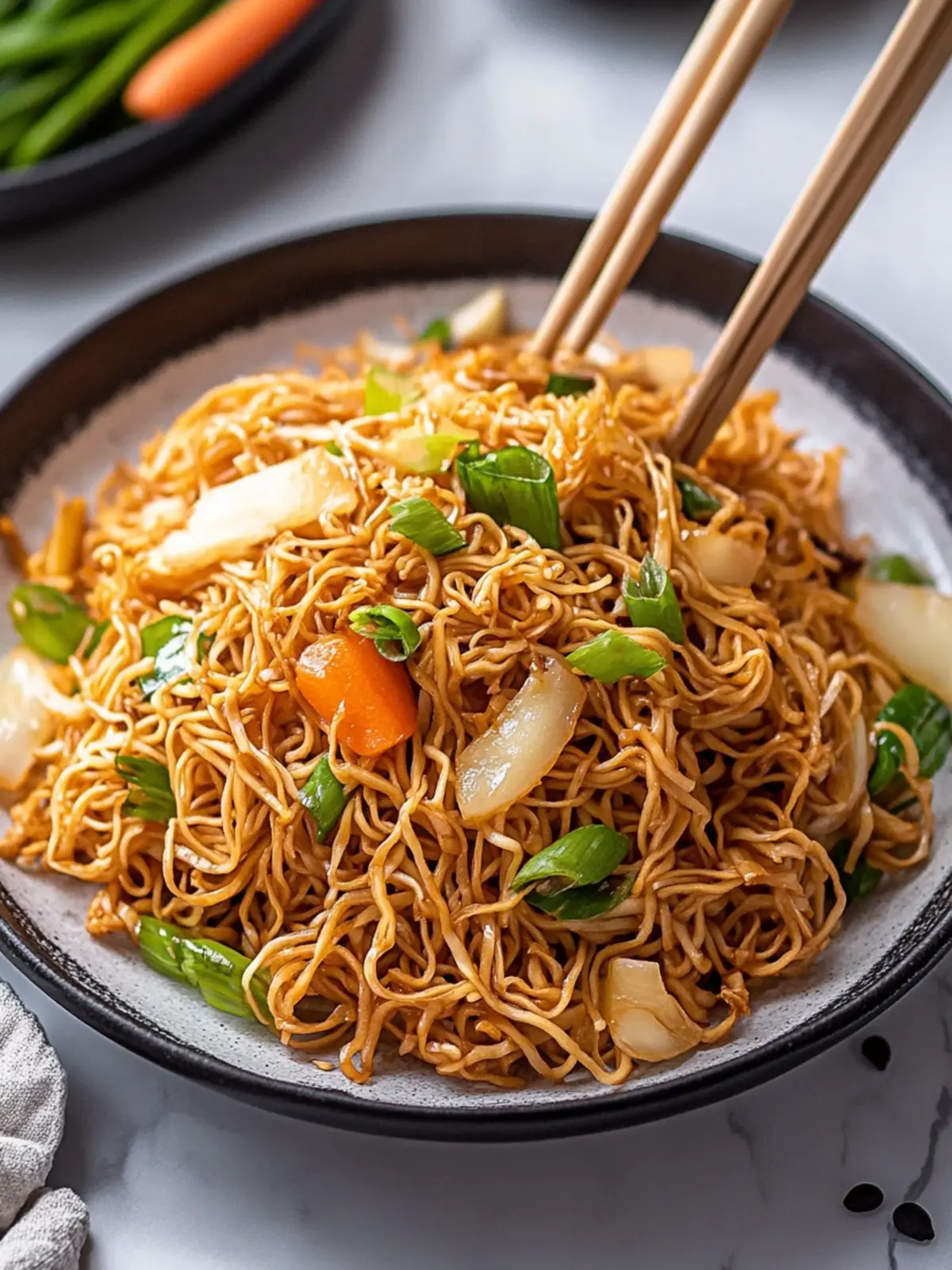
Pan-Fry Noodles: Increase the heat and pour another tablespoon of corn oil into the wok. Add the soaked noodles, flatten them into a thin layer, and pan-fry for 2 minutes or until crispy. Flip the noodles to crisp the other side, adding a touch of oil around the edges, cooking for another 2 minutes.
Combine Ingredients: Gently mix in the sautéed aromatics, green onion greens, bean sprouts, and sauce. Stir to combine everything for 1-2 minutes, allowing the flavors to meld beautifully.
Serve: Remove from heat and drizzle with sesame oil. Toss everything together and serve immediately for that fresh, warm experience.
Optional: Garnish with additional green onions for extra freshness.
Exact quantities are listed in the recipe card below.
How to Store and Freeze Cantonese Chow Mein
Fridge: Store cooled Cantonese chow mein in an airtight container for up to 3 days. This keeps the noodles and veggies fresh while maintaining their flavor.
Freezer: For longer storage, freeze Cantonese chow mein in a freezer-safe container for up to 2 months. Ensure it s fully cooled before sealing to prevent ice crystals.
Reheating: Reheat leftovers in a hot wok for best results, adding a splash of water or oil to revive the noodles texture. Alternatively, microwave in short intervals, stirring in between.
Avoid Sogginess: To maintain texture, avoid soaking the noodles in water before refrigerating. Keeping them dry will help prevent them from becoming mushy upon reheating.
Cantonese Chow Mein Variations
Feel free to explore new flavors and textures by putting your own spin on this beloved dish!
- Gluten-Free: Use gluten-free soy sauce and rice noodles for a perfect, dietary-friendly alternative without sacrificing flavor.
- Protein Swap: Incorporate grilled chicken, shrimp, or even beef strips for a heartier meal that adds a protein punch.
- Veggie Boost: Add colorful bell peppers, snap peas, or broccoli for extra nutrition and a burst of vibrant colors.
- Spice It Up: Toss in chili flakes or fresh sliced jalapeños to raise the heat and awaken those taste buds!
- Mushroom Magic: For an earthy taste, mix in shiitake or oyster mushrooms, enhancing the umami notes of your chow mein.
- Coconut Twist: Replace water with coconut milk in your sauce mix for a creamy, tropical flair that s truly unique.
- Noodle Alternatives: Swap chow mein noodles with rice vermicelli or zucchini noodles for a fun and lighter version of this classic dish.
- Sweet Surprise: Introduce pineapple chunks just at the end for a sweet burst that contrasts beautifully with the savory flavors.
Make Ahead Options
Preparing Cantonese Chow Mein ahead of time is a fantastic way to save time on busy days! You can cook the chow mein noodles and sauté the aromatics up to 24 hours in advance. Store these components separately in airtight containers in the refrigerator to maintain their quality. Bean sprouts can also be washed and chopped ahead, ready to throw in right before serving. When you re ready to enjoy your meal, simply reheat the noodles in a hot wok, add the prepped aromatics and sauce, and stir-fry for just 2-3 minutes. This way, you can savor the same crispy, delicious chow mein with minimal effort!
What to Serve with Cantonese Chow Mein?
A delicious meal is just around the corner, waiting to be savored alongside your crispy homemade chow mein.
Sweet and Sour Chicken: The tangy sauce and crispy chicken beautifully contrast the savory noodles, enhancing your meal s flavor profile.
Vegetable Spring Rolls: These crispy delights offer a crunchy bite and fresh herbs, creating a delightful nod to traditional Chinese cuisine.
Steamed Broccoli: This vibrant green veggie adds a nutritious element and balances the meal with its mild flavor and crisp texture.
Hot and Sour Soup: The spicy and tangy flavors of this soup will awaken your taste buds, making it a perfect starter before diving into the chow mein.
Kung Pao Shrimp: Spicy, nutty, and slightly sweet, this protein-rich dish pairs perfectly with the noodles, adding an exciting contrast.
Pineapple Fried Rice: Sweet and savory fried rice brings a tropical flair that complements the umami notes in the chow mein delightfully.
Chili Garlic Edamame: These seasoned pods provide a pop of flavor and are easy to prepare, making for a healthy and fun side dish.
Chrysanthemum Tea: This floral tea not only refreshes but also cleanses the palate between bites, making each mouthful of chow mein even more enjoyable.
Mango Pudding: End your meal on a sweet note; this soft, creamy dessert provides a refreshing contrast with fruity flavors that leave you satisfied.
Expert Tips for Cantonese Chow Mein
Crisping Noodles: Make sure your wok is thoroughly heated before adding the noodles. This ensures they achieve that perfect crispy texture.
Taste As You Go: Adjust flavors to your liking if it needs more depth, a splash of soy sauce or a pinch of sugar can make all the difference.
Efficient Prep: Chop all your vegetables and mix the sauce ahead of time. This step will streamline cooking and help you stick to the 15-minute timeframe.
Avoid Sogginess: Don t over-soak the chow mein noodles in water; they should be soft but not mushy to maintain a great bite in the final dish.
Storing Leftovers: If you have leftovers, store them in an airtight container in the fridge for up to 3 days. Reheat gently in a wok for best texture with your Cantonese chow mein.
Cantonese Chow Mein Recipe FAQs
How do I select the best chow mein noodles?
Absolutely! When choosing chow mein egg noodles, look for “Hong Kong style” on the label for fresh thin noodles that provide desirable structure and chewiness. They should have a slightly yellow tint and be soft to the touch. Avoid packaged noodles that appear dry or chalky, as that can compromise the final dish’s texture.
What is the best way to store leftovers?
It’s very simple! Store cooled Cantonese chow mein in an airtight container in the refrigerator for up to 3 days. This will keep the flavors fresh. Make sure to let it cool completely before sealing, as heat can create condensation that might make the noodles soggy.
Can I freeze Cantonese chow mein?
Yes, you can! For long-term storage, freeze your Cantonese chow mein in a freezer-safe container for up to 2 months. Be sure it is fully cooled before sealing. To reheat, gently stir-fry in a hot wok with a splash of water or oil to revive the noodles’ texture.
My noodles came out soggy. What went wrong?
Great question! Sogginess often occurs if the noodles are over-soaked or if there s too much moisture during cooking. Ensure you soak the chow mein noodles in boiling water for only 30 seconds to 1 minute until tender but not mushy. Also, avoid adding a lot of liquid when mixing in the sauce; a little goes a long way!
Are there any dietary considerations for this recipe?
Absolutely! If you re looking to make this dish gluten-free, simply use gluten-free soy sauce and ensure your other sauces are also gluten-free. Vegans can substitute the oyster sauce with mushroom sauce and omit the fish sauce. Always double-check ingredient labels for potential allergens like soy and shellfish.
What should I do if I don’t have a wok?
Not a problem! If you don t have a wok, you can use a large skillet instead. Just make sure it has high edges for tossing. Start with preheating your skillet on high heat and follow the same steps as you would in a wok. You’ll still achieve that delicious, crispy texture!