
Slow-Roasted Pork and Peppers for Effortless Gourmet Nights
Last Updated on May 8, 2026 by venlarecipez
After a long week filled with deadlines and fast-food runs, I found myself longing for something hearty and satisfying. The moment I lifted my roasting pan from the oven, a wave of savory aromas swept through my kitchen, transporting me to a cozy Italian trattoria. My Slow-Roasted Pork and Peppers is just what the busy home cook needs a dish that requires little hands-on time yet delivers tender, succulent flavors fit for entertaining.
With a few pantry staples and fresh ingredients, you ll create a vibrant medley of pork and sweet bell peppers, all enriched with aromatic garlic and earthy oregano. Picture this: your friends gather around the table, savoring every bite as they admire the colorful presentation and juicy tenderness of this effortless meal. Trust me, this is one recipe that transforms the ordinary into the extraordinary, making weekday dinners feel like special occasions. Let’s dive into crafting this delightful dish together!
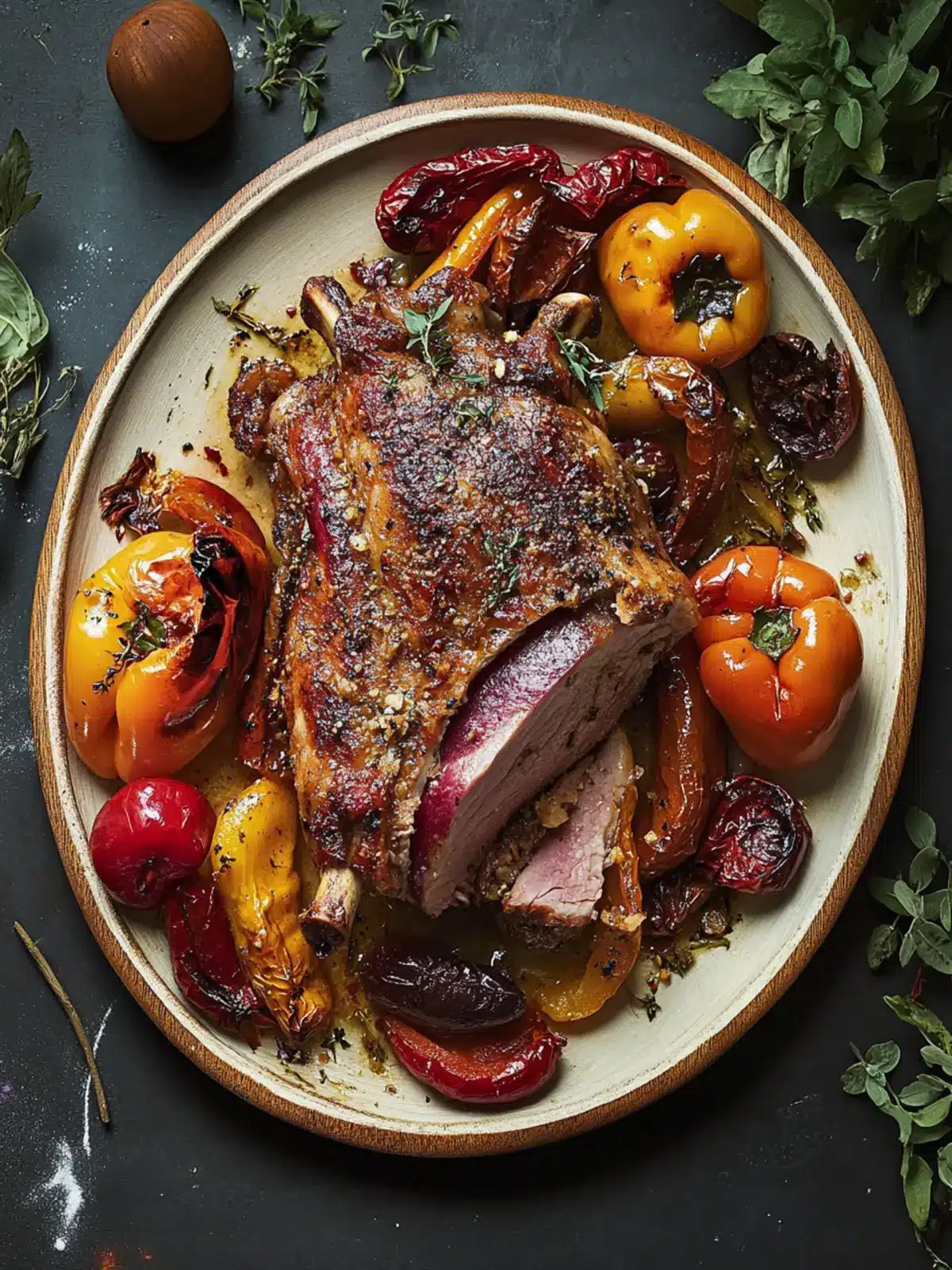
Why is Slow-Roasted Pork and Peppers a Must-Try?
Effortless Cooking: This dish is wonderfully hands-off, allowing you to spend more time with loved ones while the oven works its magic.
Homey Aromas: Picture your kitchen filled with the rich scent of garlic and herbs it’s an invitation no one can resist.
Flavor Explosion: The combination of sweet bell peppers and savory pork will make your taste buds dance with delight!
Impressive Presentation: Serve this vibrant dish at gatherings, and watch your guests marvel at its beautiful colors and enticing aromas.
Versatile Leftovers: Enjoy the shredded pork in sandwiches, tacos, or a breakfast scramble, making every bite worth savoring!
Slow-Roasted Pork and Peppers Ingredients
For the Pork
- Boneless Pork Shoulder The star of the dish, perfect for slow roasting; pork loin can be a lighter substitute if cooking time is adjusted.
- Kosher Salt Essential for enhancing the overall flavor; sea salt works as a great alternative.
- Freshly Ground Black Pepper Adds warmth and slight heat; you can use pre-ground if that s what you have on hand.
- Fennel Seed Brings a sweet, anise-like flavor to the pork; feel free to use ground fennel for ease.
- Minced Garlic Contributes aromatic depth to the dish; shallots can be used for a milder taste.
- Fresh Oregano Provides a fresh, herbal note; dried oregano can substitute in a pinch, just think 1 tablespoon.
For the Vegetables
- Bell Peppers (red, yellow, or orange) Sweet and juicy, they add vibrant color; zucchini or eggplant can substitute for a low-carb option.
- Red Onions Offer sweetness when roasted; yellow onions are a fine backup in a squeeze.
For Roasting
- Extra-Virgin Olive Oil Adds richness and moisture, enhancing the dish s overall flavor; avocado oil can be a suitable replacement.
- Red Wine Vinegar Brings essential acidity for balance; apple cider vinegar can be substituted without losing much character.
Remember, the focus keyword Slow-Roasted Pork and Peppers truly brings that cozy, comforting feel to your dining experience!
How to Make Slow-Roasted Pork and Peppers
- Preheat your oven to 450°F. This high temperature helps render the fat, ensuring a flavorful crust on the pork shoulder.
- Prepare the vegetables by halving the bell peppers and cutting the red onions into wedges. The colors will brighten your dish and add sweetness as they roast!
- Season the pork shoulder generously with kosher salt, freshly ground black pepper, minced garlic, fresh oregano, and fennel seeds. Every bite will be packed with flavor!
- Arrange the seasoned pork in a roasting pan, placing the halved bell peppers and onion wedges around it. Drizzle everything with extra-virgin olive oil and red wine vinegar to enhance moisture and richness.
- Roast in the oven for approximately 4 hours. Keep an eye on the pork, ensuring it s tender and easily pulls apart when done it should be fall-apart perfect!
- Shred the pork using two forks and serve it alongside those roasted vegetables. Enjoy a hearty, satisfying meal that will wow everyone at your table!
Optional: Garnish with fresh parsley or a squeeze of lemon juice for brightness.
Exact quantities are listed in the recipe card below.
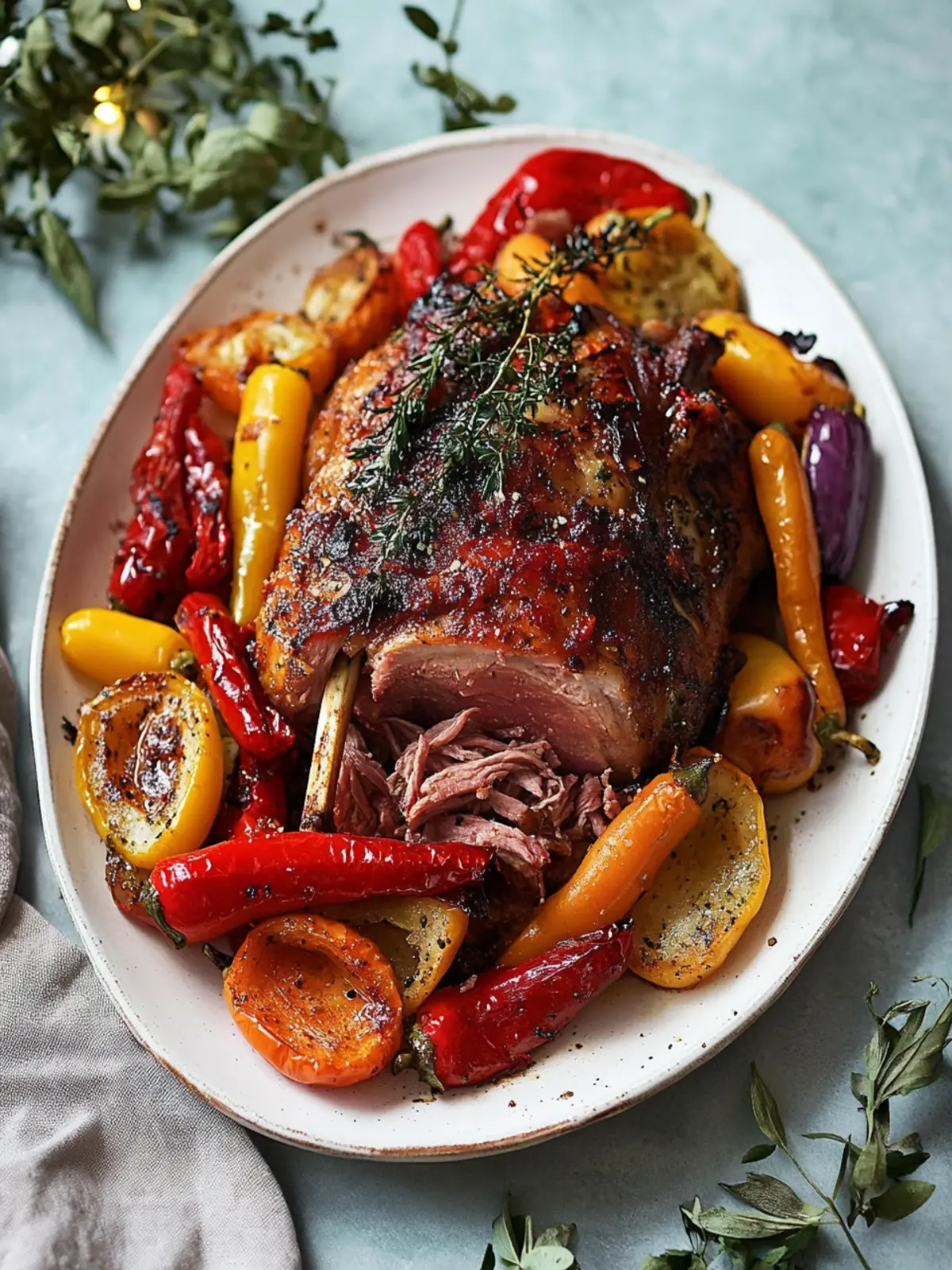
Expert Tips for Slow-Roasted Pork and Peppers
- Perfect Pork Fat: Make sure the fat cap on the pork shoulder is at least 1/4 inch thick; this will render beautifully and create a crispy crust.
- Low and Slow: Avoid rushing the cooking time; the longer and slower you roast, the more tender the pork will become. Aim for roughly 4 hours for best results.
- Vegetable Options: Feel free to mix and match vegetables. While bell peppers are traditional, seasonal options like zucchini or asparagus add a delightful twist to your Slow-Roasted Pork and Peppers.
- Flavor Infusion: For deeper flavors, marinate the pork overnight with the herbs and spices before cooking; just be sure to let it come to room temperature before roasting.
- Leftover Magic: Store shredded pork in an airtight container; it stays delicious for up to three days and can be a star in tacos or sandwiches for easy meals.
- Serving Style: Serve over creamy polenta or alongside a fresh salad to balance the richness of the dish and elevate the overall dining experience!
Make Ahead Options
Preparing Slow-Roasted Pork and Peppers in advance is a breeze and perfect for busy weeknights! You can season the pork shoulder and refrigerate it (wrapped tightly) for up to 24 hours before roasting. Also, chop and pre-prepare the vegetables, such as halved bell peppers and onion wedges, storing them in an airtight container in the fridge for up to 3 days. This not only saves time but also enhances the flavor as the pork marinates. When you’re ready to cook, simply preheat your oven, arrange the pork and vegetables in the roasting pan, and follow the roasting instructions for a delicious meal that s just as tender and flavorful as if you cooked it on the spot!
Slow-Roasted Pork and Peppers Variations
Feel free to let your creativity shine with these delicious twists on the classic recipe!
- Herb Swap: Use fresh thyme or rosemary instead of oregano for an aromatic twist that brightens the dish.
- Heat it Up: Add sliced jalapeños or crushed red pepper flakes for a spicy kick, making it a flavorful adventure for your taste buds.
- Low-Carb Delight: Replace bell peppers with zucchini or eggplant for a delightful low-carb alternative that retains all the flavor.
- Savory Sweetness: Toss some sweet potatoes or carrots in with the vegetables. They caramelize beautifully, adding natural sweetness that pairs perfectly with pork.
- Citrus Zing: Squeeze in the juice of an orange or lemon before serving to brighten the flavors and add a refreshing acidity.
- Smoky Flavor: Incorporate smoked paprika or chipotle powder for a deeper, smoky character that complements the savory meat.
- Tangy Twist: Swap out red wine vinegar with balsamic vinegar for a sweet tang that beautifully balances the dish.
- Vegetarian Option: Create a meat-free version using a combination of hearty mushrooms and legumes, such as chickpeas, to maintain satisfying flavors and textures.
These variations will take your Slow-Roasted Pork and Peppers from delightful to absolutely extraordinary! Enjoy experimenting!
How to Store and Freeze Slow-Roasted Pork and Peppers
Fridge: Store any leftovers in an airtight container for up to 3 days. This keeps the pork moist and the flavors fresh for your next meal.
Freezer: For longer storage, freeze the shredded pork and peppers in a freezer-safe container for up to 3 months. Be sure to label with the date!
Thawing: When ready to enjoy, thaw the frozen mixture overnight in the fridge. Reheat gently on the stove or in the microwave until warmed through.
Reheating: To maintain the dish’s juicy texture, reheat in a skillet over medium heat, adding a splash of broth or water if needed.
What to Serve with Slow-Roasted Pork and Peppers?
Imagine a table filled with dishes that complement the rich flavors of this hearty meal, creating a warm and inviting atmosphere.
- Creamy Polenta: A luscious base that absorbs the juices from the pork, adding a comforting texture to your plate.
- Roasted Beet and Goat Cheese Salad: The earthy sweetness of beets paired with creamy goat cheese provides a refreshing contrast to the savory pork.
- Garlic Bread: Crunchy and fragrant, this classic side is perfect for mopping up those delicious pan juices.
- Sautéed Greens: Quickly cooked kale or spinach with a squeeze of lemon offers a vibrant, healthful touch next to the rich pork.
- Crispy Potato Wedges: These crunchy delights provide the right amount of texture and a satisfying contrast to the tender meat.
- Light Citrus Olive Oil Cake: To finish off the meal, this airy dessert adds a burst of freshness, cleansing the palate after the hearty main course.
With these pairings, your dinner is sure to impress and offer a delightful balance of flavors and textures!
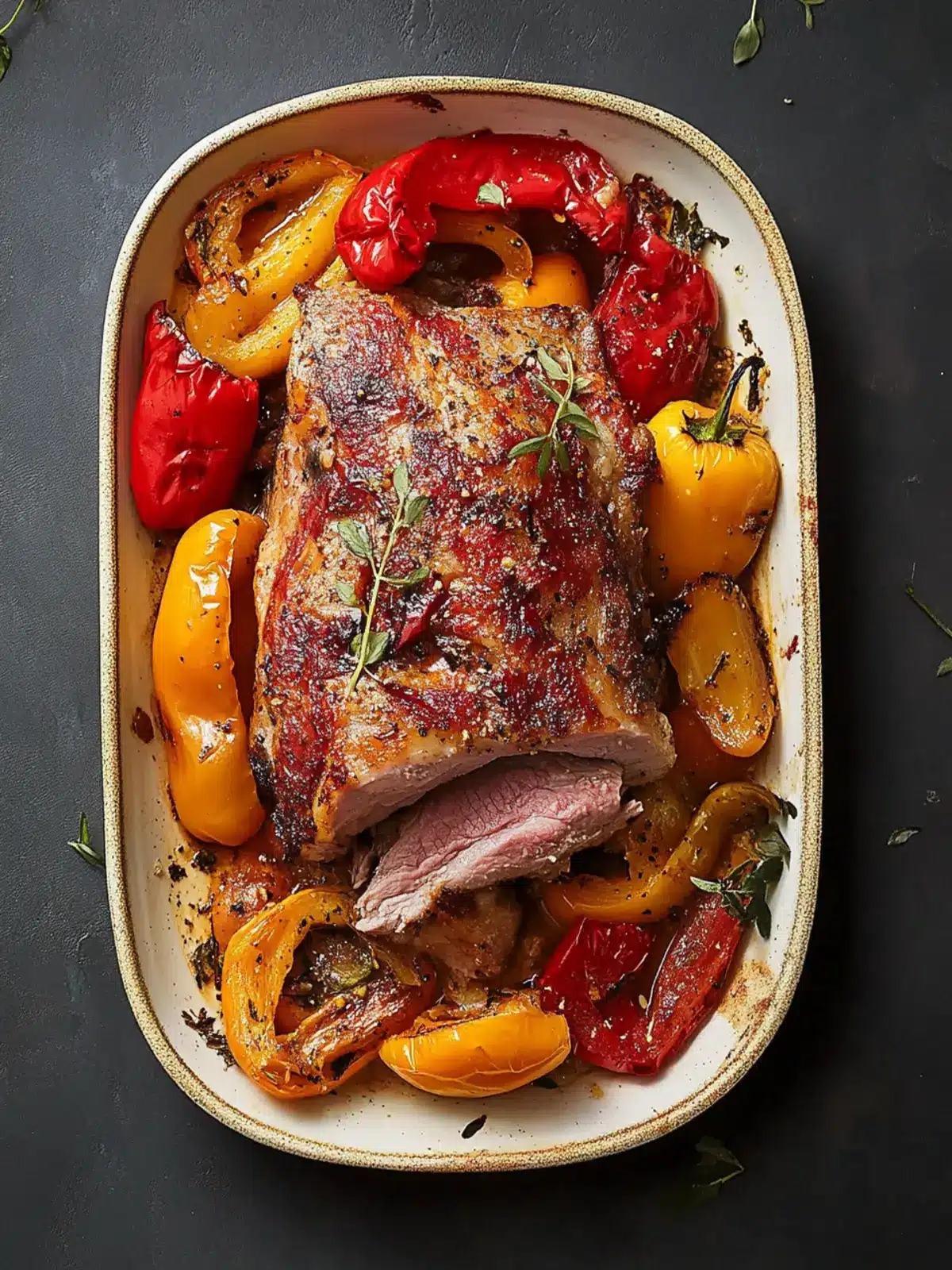
Slow-Roasted Pork and Peppers Recipe FAQs
How do I choose ripe bell peppers for this recipe?
When selecting bell peppers, look for ones that are firm and have vibrant, shiny skin. The colors red, yellow, or orange should be bright, with no dark spots or blemishes. If possible, gently squeeze them; they should feel crisp and not soft or squishy.
How do I store leftover Slow-Roasted Pork and Peppers?
Store any leftovers in an airtight container in the fridge for up to 3 days. If you’re planning to enjoy the dish later, let it cool completely before sealing it up, which helps retain moisture and prevent spoilage. For longer storage, freezing is an excellent option.
Can I freeze Slow-Roasted Pork and Peppers?
Absolutely! To freeze, let the leftover pork and peppers cool completely, then transfer them to a freezer-safe container. Label it with the date, and it can be stored for up to 3 months. For best results, separate the pork from the vegetables if you’re planning to use them in different meals.
What should I do if my pork shoulder is tough after cooking?
If you find your pork isn’t as tender as you’d hoped, it may not have cooked long enough. Make sure to roast it until it s easily shreddable with a fork. If you’re running short on time, you can cover the roasting pan with foil to help keep the moisture in while it cooks. If it’s still too tough, try chopping it up for use in a stew or as a filling for tacos, which can make use of the flavors without sacrificing tenderness.
Is this recipe safe for people with dietary restrictions?
This Slow-Roasted Pork and Peppers recipe is generally safe for most diets. However, if you’re cooking for someone with pork allergies or dietary restrictions, consider using a different protein like chicken or beef with similar cooking times. For a low-carb option, swap out the bell peppers for zucchini or eggplant. Just ensure any substitutions are compatible with the specific dietary needs of your guests!
How can I enhance the flavor of Slow-Roasted Pork and Peppers?
For a deeper flavor profile, consider marinating your pork shoulder overnight in your seasoning mix, allowing the spices to penetrate the meat. Adding a bit of citrus, like lemon or orange zest, can brighten the dish. If you’re a fan of spicy flavors, toss in some sliced jalapeños or red pepper flakes with the vegetables before roasting. The more, the merrier!